
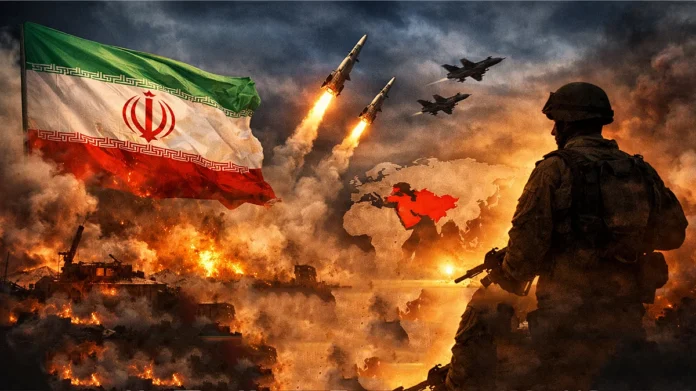
The United States and Iran have entered another dangerous phase of their conflict, with the most serious exchange of fire in several weeks taking place over the past two days. On September 1, the U.S. military launched a new wave of strikes against Iranian targets, including air-defense systems, radar installations, maritime assets, mine-laying capabilities and communications facilities. Washington said the operation was aimed at countering threats to U.S. forces and commercial shipping in the region.
Iran responded with missiles and drones targeting U.S. military positions and other sites across the region. Iranian forces said they attacked American bases in Jordan, while Bahrain and Kuwait also reported intercepting incoming Iranian drones or missiles. The renewed fighting has ended a month-long lull in direct U.S.-Iran military action.
The humanitarian impact has also become a major concern. Iranian officials said a U.S. strike hit a location near a wedding in southern Iran, killing five people, including a child, and injuring dozens more. The reported casualty figures and circumstances could not be independently verified in full.
U.S. President Donald Trump has defended the latest strikes and warned Tehran that any further retaliation could trigger even more powerful American attacks. Iran, meanwhile, has threatened to continue responding to U.S. military action while also indicating that it could return to an interim agreement if Washington fulfills its commitments.
One of the biggest concerns is the Strait of Hormuz, a crucial global oil-shipping route. Shipping traffic through the waterway has fallen sharply since the latest escalation, while oil prices have risen. Brent crude briefly moved above $97 a barrel on Wednesday before easing back, reflecting fears that prolonged fighting could disrupt global energy supplies.
The latest escalation has therefore raised fears that the conflict could once again expand beyond Iran and the United States, drawing in other countries across the Middle East. The key question now is whether Washington and Tehran will return to negotiations or whether the latest exchange of attacks will develop into an even wider regional confrontation.