
For the past several weeks, Azad Kashmir has remained caught in political uncertainty, protests and a fierce struggle for power. While ordinary people have been taking to the streets over their grievances and basic needs, political parties have largely appeared focused on numbers, alliances and securing control of the government.
This situation raises a serious question: If governments are formed in the name of the people, why were those very people seemingly left out of the political process?
The crisis has also exposed the widening gap between political leadership and ordinary citizens. When people are struggling with inflation, unemployment and shortages of essential commodities, their immediate concern is survival—not which politician gets which position.
Reports of disruptions affecting the movement of food, medicines and other essential supplies during the crisis have made the situation even more troubling. Such circumstances inevitably raise questions about whether political disputes are being allowed to come at the expense of ordinary citizens.
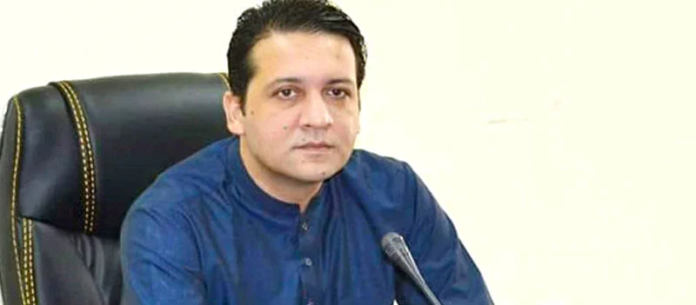
Now, as a new government takes shape under Iftikhar Gilani, the real test begins. Winning a political position is one thing; earning the trust of the people is another.
The people of Azad Kashmir do not simply need a change of faces. They need a government that listens to them, addresses their grievances, protects their basic needs and treats public money as a public trust rather than a source of political privilege.
The bigger issue is therefore not who becomes prime minister, but whether the new leadership will put people before power.
If political leaders remain focused on positions, influence and political interests while ordinary citizens continue to suffer, changing governments will not change the reality on the ground.
Azad Kashmir needs governance that serves the people—not politics that uses the people to secure power.