
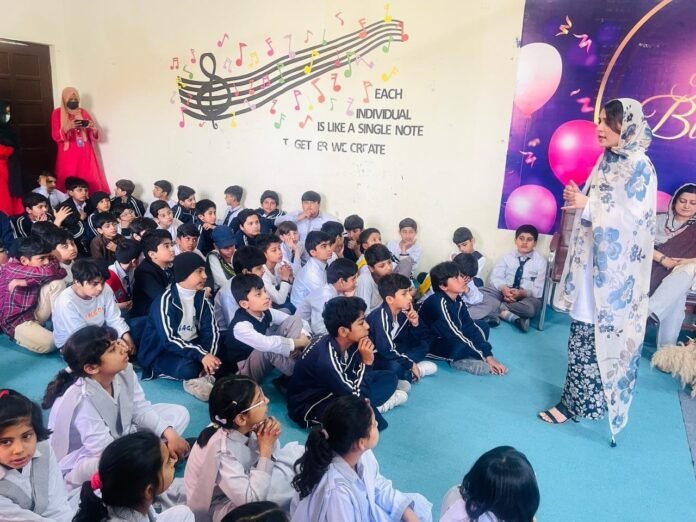
A video from India is circulating on social media showing an unusual approach reportedly used at a school to discourage children from eating unhygienic and poor-quality snacks. The method appears to have been designed to make children realize that something they enjoy eating may not always be safe or healthy.
The video has sparked an important question: Should schools in Pakistan also introduce creative awareness campaigns to discourage children from eating unhygienic and unhealthy snacks?
Children in Pakistan, too, are fond of packaged snacks, chips, spicy snacks, sweets, sugary drinks and other forms of junk food. The real concern is not simply that children like these foods, but that many of them may not understand the potential consequences of consuming unhealthy or contaminated food.
However, there is an important point to remember: frightening children should not become the solution. Instead, schools can use creative, age-appropriate and science-based awareness methods to teach children why clean and safe food matters.
Short cartoons, entertaining videos, school assemblies, healthy-lunch competitions and simple messages for parents could help children understand how to make better food choices.
Children can also be taught practical habits, such as checking expiry dates, avoiding food with damaged or open packaging, washing hands before eating and being cautious about food sold in unhygienic conditions.
The issue deserves attention because concerns over food quality in schools and around educational institutions have been reported in different countries. Recent reports from India have also highlighted complaints over the quality of food provided to schoolchildren, followed by official action in some cases.
For Pakistan, the lesson should not simply be to tell children, “Don’t eat this.” The better approach is to explain why they should avoid it and what healthier alternatives are available.
The government could consider launching a nationwide Healthy Food Awareness Campaign in schools. Instead of relying on fear, such a campaign could use humour, cartoons, short videos and engaging educational material to make healthy eating attractive to children.
The goal should not be to frighten children away from snacks.
The real goal should be to educate them, protect their health and help them develop better eating habits from an early age.
Perhaps this is the kind of positive and practical awareness campaign that Pakistan’s schools could seriously consider.