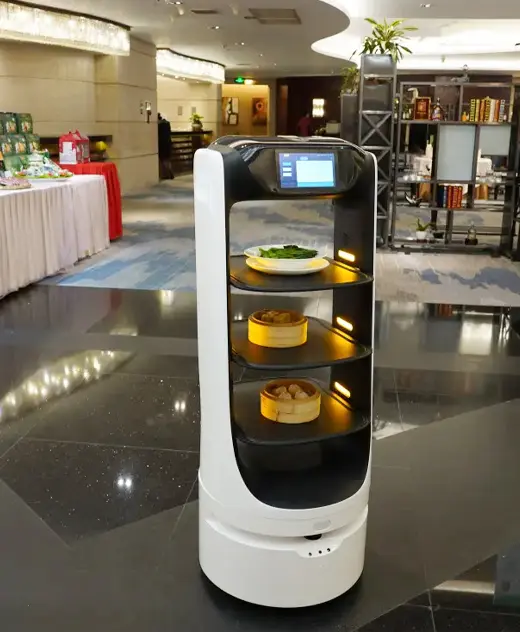


The rapid expansion of robotics and artificial intelligence is beginning to transform the global hospitality industry, raising serious questions about the future of human employment.
Japan is emerging as a prominent example of this technological shift. Hotels and restaurants are increasingly using service robots for tasks such as delivering food and luggage, guiding guests and handling other routine operations. One of the major reasons behind Japan’s adoption of robots is the country’s shortage of workers.
But Japan is not alone. Hotels and restaurants in several parts of the world are experimenting with robots and automation to reduce pressure caused by labour shortages and rising operating costs.
For example, a hotel that previously needed employees to deliver room service may increasingly use a robot to transport meals or other items. Similarly, robots can assist with cleaning, carrying luggage and performing repetitive service-related tasks.
A Major Concern for Developing Countries
This technological transformation could become a serious concern for developing countries whose workers traditionally depend on low- and medium-skilled jobs abroad.
Millions of workers from countries such as Pakistan, India, Bangladesh and the Philippines earn their livelihoods through hospitality, cleaning, food service, construction and other labour-intensive sectors in foreign countries.
If automation continues to expand, some of these traditional employment opportunities could gradually decline.
The issue is not that robots will immediately replace every human worker. Rather, the concern is that businesses may increasingly require fewer employees to perform the same amount of work.
Pakistan Faces a Bigger Challenge
The situation is particularly important for Pakistan, where unemployment and the shortage of quality jobs are already major economic challenges.
A large number of Pakistanis seek employment abroad every year, while millions of families depend directly or indirectly on overseas employment and remittances.
If international labour markets begin reducing demand for low-skilled workers because of automation, Pakistan could face additional pressure on employment, household incomes and foreign remittances.
The Real Question Is: Is Pakistan Ready?
The arrival of robots should not simply be viewed as a threat. Technology also creates new jobs in areas such as robotics, artificial intelligence, software, maintenance, engineering and digital services.
The real danger is failing to prepare workers for this transition.
If the world is moving towards automated hotels, smart factories and AI-powered workplaces, Pakistan needs to urgently invest in technical education, vocational training, digital skills, artificial intelligence and robotics.
Otherwise, the country could face a future in which millions of workers are willing to work but increasingly lack the skills demanded by the global economy.
The message is clear: robots are not necessarily the enemy of employment — but a failure to prepare for the age of automation could become one.